

Quick answer: A complete HVAC replacement should include more than swapping the outdoor cabinet. The proposal should identify the heating and cooling load, specify compatible indoor and outdoor equipment, address airflow and duct conditions, define electrical, drain, refrigerant-line, thermostat, pad, venting, permit, and removal work, and include startup testing plus warranty documentation. In North Texas, sizing and installation quality matter because the same system must handle long cooling seasons and occasional hard cold.
Replacing an HVAC system is difficult to compare from model numbers alone. One contractor may quote only major equipment while another includes duct corrections, a new drain safety switch, electrical changes, permits, or a documented startup. This guide explains what to ask before signing so homeowners and property managers can compare the actual scope rather than only the total.
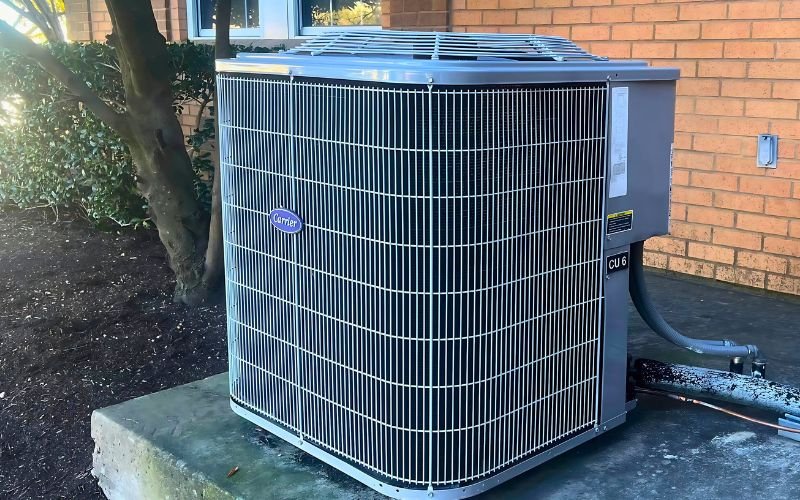
What should happen before an HVAC replacement estimate?
A proposal should begin with the building, not a catalog. The contractor needs to understand the areas served, comfort complaints, current equipment, electrical service, thermostat and controls, accessible ductwork, filter arrangement, drainage, refrigerant lines, and the locations available for indoor and outdoor equipment.
Ask whether the recommendation is based on a heating and cooling load calculation. Square footage and the capacity of the old unit are not enough by themselves. Windows, orientation, insulation, air leakage, ceiling height, occupancy, internal heat sources, and ducts can all affect the required capacity. Changes made since the old system was installed, such as new windows or added insulation, can also change the load.
Repair findings should come before a replacement conclusion
Age alone does not diagnose a failed system. Before recommending replacement, a contractor should be able to explain the condition found, the repair option when one is practical, relevant safety or compatibility issues, and how the proposed replacement addresses the property’s needs. Recurring failures, a major component problem, poor comfort, unavailable compatible parts, or a system that no longer fits the building can strengthen the case for replacement.
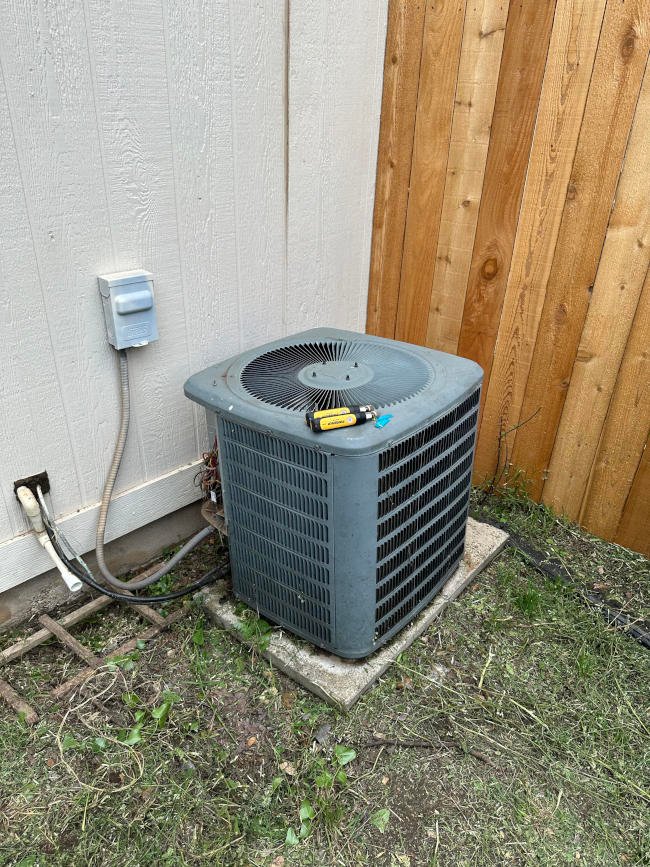
What should an HVAC replacement proposal include?
The exact scope varies by system and building. Still, a written proposal should make each of the following items clear, whether it is included, excluded, or not applicable.
| Proposal item | Questions to ask | Why it matters |
|---|---|---|
| Equipment | What are the exact indoor and outdoor model numbers, capacities, heating type, staging or variable-speed features, and efficiency ratings? | Precise models make bids comparable and allow performance claims to be verified. |
| System matching | Are the coil, condenser or heat pump, furnace or air handler, and controls approved to operate together? Is an AHRI certificate available when applicable? | Published efficiency and capacity apply to tested combinations, not arbitrary mixes of components. |
| Load calculation | How was capacity determined, and what building characteristics were used? | Proper sizing supports comfort, moisture control, runtime, and equipment life. |
| Ducts and airflow | Were accessible supply and return ducts, grilles, filter area, static pressure, and room complaints evaluated? What corrections are included? | New equipment cannot correct every restriction, leak, or distribution problem by itself. |
| Refrigerant circuit | Will the line set be replaced, reused, flushed, resized, or pressure-tested? What refrigerant and procedures apply? | Line condition, cleanliness, sizing, evacuation, and charge affect operation and reliability. |
| Drainage | What condensate piping, trap, pan, drain treatment, and overflow protection are included? | Cooling and high-efficiency heating can produce water that must drain safely. |
| Electrical and controls | Are disconnects, breakers, wiring, thermostat, low-voltage controls, surge protection, or code corrections included? | New equipment may have different electrical and communication requirements. |
| Gas and venting | For fuel-burning heat, what gas connection, combustion-air, venting, flue, and safety work is included? | Combustion and venting are life-safety parts of the installation. |
| Physical installation | Are the equipment base, supports, transitions, plenums, vibration control, access, and weather sealing included? | Fit and service access affect drainage, airflow, noise, and future maintenance. |
| Removal and compliance | Who removes old equipment and refrigerant? Are permits, inspections, and disposal included? | The owner should know who is responsible for regulated handling and local requirements. |
| Startup and closeout | What measurements, owner training, model and serial record, warranty registration, and documents will be provided? | A box that turns on is not the same as a commissioned system. |
Why do sizing and matched components matter?
Bigger is not automatically better
An oversized system can satisfy the thermostat quickly while creating short cycles, uneven temperatures, noise, and poor moisture removal. An undersized system may run for long periods without meeting the load during demanding weather. Correct capacity should come from the property’s calculated load and the selected equipment’s rated performance, not a rule of thumb alone.
The indoor and outdoor sections work as one system
A split system’s outdoor unit does not operate independently of its indoor coil, furnace or air handler, blower, controls, and airflow. Ask for every model number and the efficiency rating for that exact combination. The AHRI Directory provides certificates and ratings for certified equipment combinations.
Ducts are part of delivered performance
ENERGY STAR notes that leaks, holes, and poor duct connections can lose a meaningful portion of the air moving through a typical home’s duct system. A replacement estimate should address obvious leakage, damaged insulation, crushed or disconnected runs, inadequate returns, and room-by-room comfort complaints. Replacing equipment without checking distribution can preserve the same comfort problem with a newer machine.
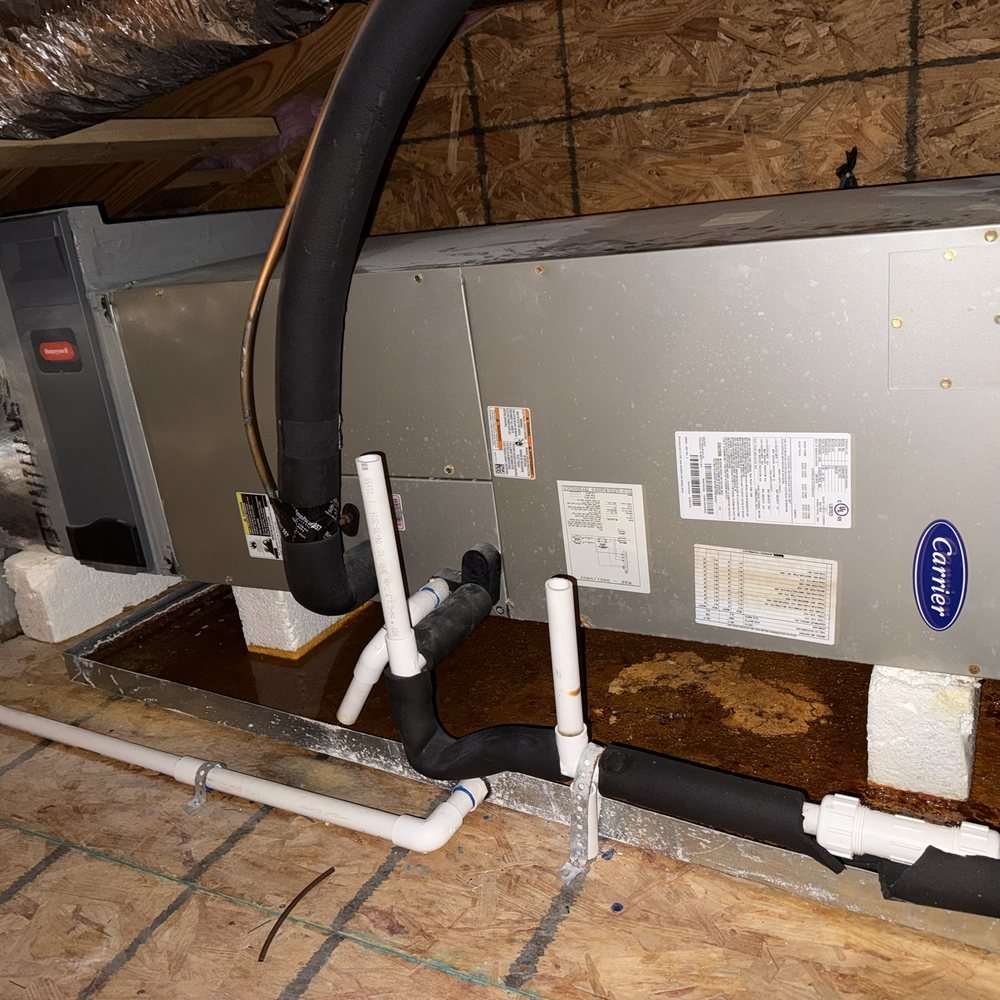
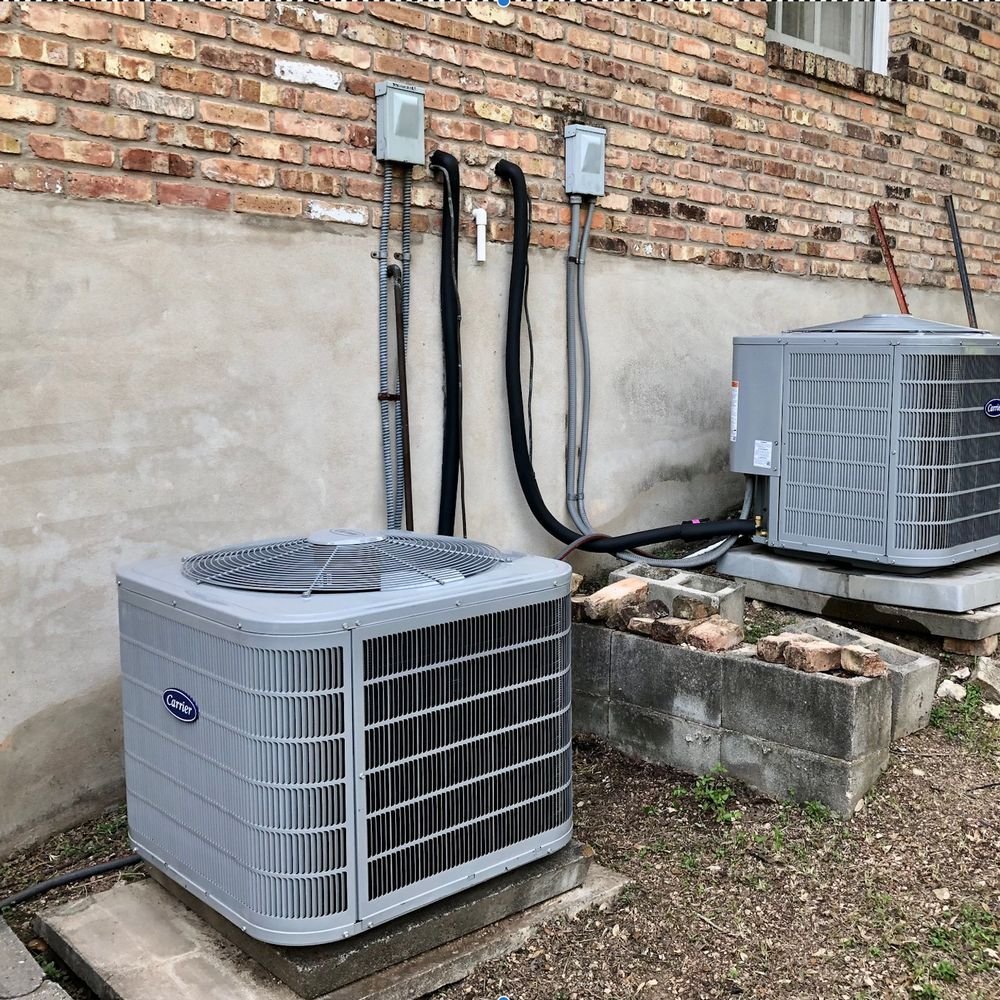
What happens during HVAC installation?
- Protect and prepare the work area. The crew should establish access, protect surfaces as needed, confirm utilities and equipment, and coordinate any planned interruption.
- Recover refrigerant and remove old equipment. Refrigerant must be handled using applicable procedures by properly certified personnel. Old indoor and outdoor components are disconnected and removed according to the written scope.
- Set and connect the new equipment. Work may include supports or pads, sheet-metal transitions, refrigerant piping, condensate drainage, gas and venting components, electrical connections, controls, and thermostat setup.
- Correct agreed-upon duct or airflow issues. This is when quoted return-air, transition, sealing, balancing, or grille work should be completed and documented.
- Start, test, and configure the system. The installer should check operation in applicable modes and configure airflow, thermostat, staging, and safety controls for the installed equipment.
- Complete the walkthrough. The owner should receive operating guidance, filter information, warranty details, model and serial numbers, and any permit or inspection documentation.
Duration depends on access, system type, number of systems, duct or electrical changes, weather, and inspection requirements. A precise timeline should come from the contractor after an onsite assessment. Plan for the system to be unavailable during part of the work, secure pets, clear the access route, and identify any rooms or business operations that require special coordination.
How should a new HVAC system be tested?
Commissioning is the process of confirming that the installed system operates as intended. The measurements vary by equipment, but the contractor should verify the complete start-operate-stop cycle, controls, airflow, electrical operation, drainage, and safety functions. Refrigerant systems may also require documented evacuation, charge, temperature, and pressure checks under appropriate operating conditions.
For a gas furnace, startup also requires combustion, gas-pressure, venting, and safety-control checks. For a heat pump, the technician should verify cooling, heating, defrost-related controls, and auxiliary or backup heat where installed. For multi-stage, variable-capacity, zoning, or communicating systems, setup matters because factory defaults may not match the building.
What should you receive when the work is complete?
- The final installed model and serial numbers
- Warranty terms and confirmation of any required registration
- Thermostat and system operating instructions
- Filter size, type, location, and maintenance guidance
- Permit and inspection records when applicable
- Startup or commissioning results relevant to the system
- Written notes for unresolved duct, electrical, drainage, or building-envelope items
- The final invoice and agreed labor or workmanship warranty
How do you compare two HVAC replacement estimates?
Normalize the bids before comparing totals. Put the exact model numbers, certified combination, calculated capacity, efficiency, heating type, compressor and blower features, thermostat, duct changes, line-set work, drain protection, electrical changes, permits, removal, startup, and warranties side by side. A lower total may simply omit work that appears in another proposal.
Ask each contractor to explain assumptions in plain language. If a feature is optional, request the price difference and the practical benefit for this property. Be cautious with guaranteed utility savings or universal payback claims; weather, settings, rates, occupancy, duct leakage, and the building envelope all affect actual energy use.
Questions worth asking before approval
- What findings make replacement preferable to repair?
- How was the required heating and cooling capacity calculated?
- Can I see the indoor and outdoor model numbers and matched-system certificate?
- What existing components will remain, and how will their condition and compatibility be verified?
- What duct, return-air, drainage, electrical, venting, or code work is excluded?
- Who obtains permits and coordinates required inspections?
- Which startup measurements will be recorded?
- Who registers the equipment, and what can void the manufacturer or labor warranty?
- How will unexpected conditions or change orders be approved?
What should North Texas owners prioritize?
Long cooling seasons put a premium on correct cooling capacity, outdoor-unit airflow, condensate management, and duct performance in hot attics. Heating still matters: the selected furnace, heat pump, or backup heat must be appropriate for the building and tested before cold weather. For properties with two systems, zoning, additions, converted garages, or persistent hot and cold rooms, each served area deserves its own load and airflow review.
Efficiency ratings are useful for comparing verified systems, but they do not replace design and installation. A correctly selected system connected to restrictive or leaking ducts can still disappoint. Focus first on a complete scope, compatible equipment, qualified installation, and measured startup; then compare efficiency tiers and optional features.
Frequently asked questions
Do the indoor and outdoor HVAC units need to be replaced together?
Not in every repair situation, but replacement components must be compatible and the promised capacity and efficiency must apply to the actual combination. Ask for all model numbers and an AHRI certificate when applicable. Refrigerant, controls, blower performance, coil design, and manufacturer requirements can limit partial-replacement options.
Can a contractor size a new HVAC system from square footage?
Square footage is one input, not a complete calculation. A proper load assessment accounts for the building’s construction, orientation, windows, insulation, leakage, occupancy, ducts, and local design conditions. Repeating the old unit’s capacity can repeat an old sizing mistake.
Should ductwork be replaced with the HVAC equipment?
Only when its condition or design warrants it. Existing ducts should be evaluated for leakage, damage, insulation, sizing, return-air capacity, and distribution. Some systems need targeted sealing or modifications; others may need more extensive correction. The scope should state what was inspected and what is included.
Does a new HVAC system need a new thermostat?
It depends on compatibility and the selected features. Staged, variable-capacity, heat-pump, zoning, and communicating systems may need specific controls. The proposal should identify the thermostat and explain which equipment functions it supports.
What is an AHRI certificate?
It documents a certified combination of heating, cooling, and indoor components and lists ratings for that combination. It helps confirm that the quoted efficiency belongs to the exact system being proposed rather than to one component in isolation.
Should I replace HVAC equipment before it fails?
Replacement before failure may be reasonable when diagnostics show a major or recurring problem, reliability is important, the system no longer serves the building well, or planned work is easier than an emergency replacement. A functioning older system does not automatically require replacement. Compare documented repair and replacement paths.